Why Minutes Matter: Recognizing the Early Signs of Heart Distress
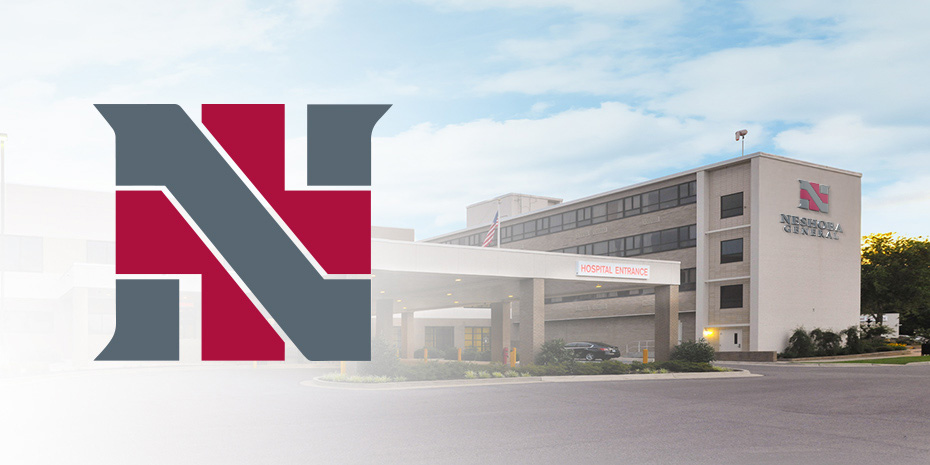
In a medical emergency, time is your most valuable asset. When a person experiences a cardiac event like a heart attack, every passing minute without treatment can lead to increased damage to the heart muscle. Understanding how to recognize the early, sometimes subtle signs of heart distress—and knowing exactly where to go—saves lives right here in our community.
Many people expect a heart attack to look dramatic, like a sudden, crushing collapse. In reality, many cardiac events start slowly, causing mild pain, discomfort, or an unusual feeling that something just is not right.
Signs of a Heart Attack: What to Watch For
Symptoms can vary significantly between individuals, and women often experience different indicators than men:
- Chest Discomfort: Most heart attacks involve discomfort in the center of the chest that lasts more than a few minutes, or that goes away and comes back. It can feel like uncomfortable pressure, squeezing, fullness, or pain.
- Upper Body Discomfort: Symptoms can include pain or discomfort in one or both arms, the back, neck, jaw, or stomach.
- Shortness of Breath: This can occur with or without chest discomfort.
- Other Signifiers: Breaking out in a cold sweat, experiencing unexplained nausea, vomiting, or feeling unusually lightheaded or dizzy.
The Power of Local Emergency Care
When you or a loved one shows signs of heart distress, driving long distances to a distant medical center can waste critical time. The Emergency Department at Neshoba General on Holland Avenue is fully equipped, staffed 24/7, and stands ready to stabilize and treat cardiac emergencies right when you need it most. Keeping your emergency care local ensures that treatment begins immediately, drastically improving outcomes and protecting quality of life.
❓Frequently Asked Questions About Cardiac Emergencies
What should I do first if I suspect someone is having a heart attack?
Call 911 immediately. Do not attempt to drive yourself or a loved one to the hospital if you are experiencing severe symptoms. Emergency medical technicians (EMTs) can begin life-saving treatment in the ambulance on the way to Neshoba General.
How do heart attack symptoms differ for women?
While chest pain remains the most common symptom, women are significantly more likely than men to experience atypical symptoms. These include shortness of breath, unexplained nausea, or vomiting, back or jaw pain, and extreme, sudden fatigue.
Is Neshoba General’s Emergency Room open on weekends and holidays?
Yes. The Emergency Department at Neshoba General is open 24 hours a day, 7 days a week, 365 days a year, providing around-the-clock emergency medical care to residents across Philadelphia and Neshoba County.